5 New Hotel Projects Show How Hospitality Design Is Evolving in Secondary Markets
What Designers Should Know
- Adaptive reuse and heritage details give older buildings fresh hospitality relevance.
- Indoor-outdoor venues and flexible event space broaden revenue beyond overnight stays.
- Regional materials, cuisine, and cultural cues help hospitality projects feel more local.
- Wellness amenities and mixed-use planning support year-round stays, gatherings, and community use.

Move over, major gateway cities—hospitality designers are finding a world of opportunity in a new class of high-interest destinations. These five upcoming projects that range from an adaptive reuse project, a mountain retreat, campus hospitality spaces, and culturally inflected new builds show how designers are integrating regional identity, more flexible public spaces, and amenities to attract travelers and accommodate local communities.
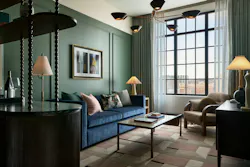
1. Fidelity Hotel | Cincinnati, OH
The city of Cincinnati has no shortage of stunning 19th-century architecture, including the 1913 Gwynne Building—the future home of the Fidelity Hotel. The design team at Looney & Associates is set to transform this 13-story Beaux-Arts landmark into a lifestyle property with 165 guestrooms by carefully preserving the building’s historic character and architectural detailing through an adaptive reuse approach to transform the interiors with a cleaner, more contemporary design language.
When it opens this summer, the property will feature 17 suites and two bunkrooms, as well as a presidential suite. The public spaces in the hotel were designed to support both daily activity and events, including more than 7,700 square feet of meeting and gathering space. Of special note is the Vanderbilt Ballroom, which features floor-to-ceiling windows that bring daylight into a prominent entertaining venue. Planned amenities include a full-service restaurant, lobby bar, corner café and market, and a fitness center.
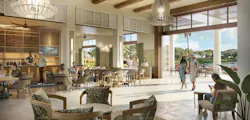
2. Hale Hōkūala Kauaʻi, Curio Collection by Hilton | Kauaʻi, HI
The Aloha State is second-to-none when it comes to hospitality—a reputation that will only be strengthened with the opening of the Hale Hōkūala Kauaʻi, Curio Collection by Hilton. Set within a scenic resort community on Kauaʻi, the project is planned as a 210-room new-build hotel inspired by its coastal setting. With breathtaking views of the Pacific, Haʻupu Mountain, and the resort’s expansive lagoon landscape, the property—designed by Hart Howerton in collaboration with Architects Hawaii Ltd. (AHL)—reflects the island’s terrain and cultural character through a relaxed yet refined architectural approach.
A signature restaurant will overlook the tropical lagoon and the adjacent Ocean Course at Hōkūala, while an outdoor pool, fitness center, and indoor-outdoor event venues extend the resort experience. The property’s plans call for roughly 2,000 square feet of interior meeting space and 10,000 square feet of outdoor event areas for weddings and small corporate functions.
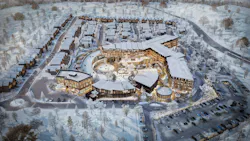
3. Andaz Heber Valley by Hyatt | Heber City, UT
Utah is celebrated for its natural integrity, outdoor adventure, and year-round appeal, and with the upcoming launch of Andaz Heber Valley by Hyatt, that reputation will be further set in stone. Designed by FFKR Architects with Gomez Vazquez International, the property will include an 85-room hotel alongside 62 condominiums and 140 villas for residents. In a stark departure from typical alpine-inspired properties, the project’s design reflects a more restrained expression of mountain hospitality.
The architecture and interiors of the property draw their inspiration from international wellness and ski destinations while balancing the surrounding landscape, craft traditions, and material palette of the region. Set near the Provo River and close to Deer Valley’s East Village, the hotel has been envisioned as a four-season base for skiing, hiking, and cycling. A signature restaurant strengthens this local concept through a mountain-to-table approach rooted in local ingredients and seasonal rhythms.
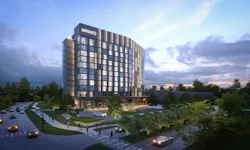
4. Miyako Hybrid Hotel | Plano, TX
The Lone Star State is quickly becoming a destination not just for its larger-than-life attitude, but also cultural experiences, as evidenced by the upcoming launch of the Miyako Hybrid Hotel in Plano. The property is set to become a 12-story, 217-room boutique property that introduces the Japanese hotel brand to Texas and will be only the third in the U.S. Designed by Gensler, the project is positioned as a cultural blend, pairing Japanese hospitality traditions with a contemporary hotel experience tailored to North Texas, where the property is set in a fast-growing business and entertainment district.
The hotel will include a traditional Japanese restaurant, an upscale lobby bar, Japanese bakery, Texas-inspired rooftop bar, outdoor pool, fitness center, and flexible banquet and conference facilities—all of which will reflect the property’s dual cultural identity. The design aims to express a refined, hospitality-forward atmosphere while supporting a wide range of uses, from daily stays to events and business gatherings. Sustainability is also central to the project, with an eco-conscious approach focused on energy efficiency.
5. Virginia Guesthouse Hotel & Conference Center | Charlottesville, VA
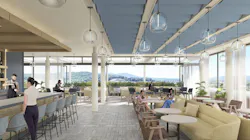
University campuses are designed with gatherings in mind, but the upcoming Virginia Guesthouse Hotel & Conference Center, set on the University of Virginia’s Grounds in Charlottesville, takes it a step further. Conceived as both a campus hospitality hub and a civic gathering place by architectural firms TenBerke and Hanbury, the 214-room property combines hotel accommodations, dining, and large-scale event facilities within a setting tied closely to the university’s academic and social life.
The project includes more than 25,000 square feet of meeting and event space, including a grand ballroom sized for nearly 1,000 guests which is also supported by smaller rooms for conferences, seminars, and private gatherings. Dining venues include Poplar, a full-service restaurant centered on regional cuisine; The Counter Café for coffee and grab-and-go fare; and The Perch, a rooftop bar with expansive views over the university and surrounding landscape.
About the Author
 Robert Nieminen
Robert Nieminen
Market Content Director
Market Content Director, American School & University, Architectural Products, BUILDINGS, and interiors+sources
Robert Nieminen is the Market Content Director of four leading B2B publications serving the commercial architecture and design industries: American School & University, Architectural Products, BUILDINGS, and interiors+sources. With a career rooted in editorial excellence and a passion for storytelling, Robert oversees a diverse content portfolio that spans award-winning feature articles, strategic podcast programming, and digital media initiatives aimed at empowering design professionals, facility managers, and commercial building stakeholders.
He is the host of the I Hear Design podcast and curates the Smart Buildings Technology Report, bringing thought leadership to the forefront of innovation in built environments. Robert leads editorial and creative direction for multiple industry award programs—including the Elev8 Design Awards and Product Innovation Awards—and is a recognized voice in sustainability, smart technology integration, and forward-thinking design.
Robert's work has earned him industry-wide recognition throughout his career, including:
- ASBPE Award (2019, 2018, 2017, 2015)—Best Regularly-Contributed Column; retrofit
- TABPI Award (2017, 2016)—Top 25 Entries, Cover Story; Retail Environments
- WPA Maggie Award (2011, 2010, 2008)—Best Publication, Trade; interiors+sources
- FOLIO: Eddie Gold Award (2022, 2007)—Best Feature Article & Special Section; interiors+sources
- Contributing author of ASID’s 2020 Outlook and State of Interior Design report, as well as The State of the Interior Design Profession (Fairchild Books, 2010), which earned a place on the International Federation of Interior Architects/Designers’ “50 Must Read, Must Have” book list.