Designing Shared Spaces for Human Connection
What Designers Should Know
- Everyday routines can become opportunities for connection: Plan circulation, amenities, and shared spaces around where people naturally cross paths.
- Comfort and choice influence participation: Seating variety, acoustics, sightlines, natural light, and places to pause can determine whether people linger or move on.
- Multigenerational spaces should support different levels of engagement, allowing people to join a group, observe from nearby, have a quieter interaction, or step away.
- Technology works best as a supporting layer, while the physical environment provides intuitive opportunities to engage with a place and with other people.
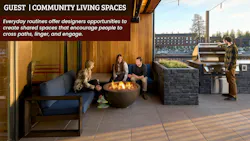
Every major technological shift creates a countermovement. Right now, we’re seeing the pendulum swing from an era of extreme digital and AI saturation toward a renewed appreciation for simpler, more human experiences. As more of our daily lives move through screens, many people are seeking opportunities to disconnect, slow down, and engage more meaningfully with the world around them.

The recent resurgence of “90s Summer” nostalgia is a perfect example. Bikes, sidewalks, backyards, pool days, pickup games, and porch conversations point to a meaningful desire to be present, spend time together, and experience life offline.
That desire for connection is also beginning to influence the design of multifamily, mixed-use, and senior living environments. As designers, we have an opportunity to recognize and translate these shifts into spaces that encourage face-to-face interaction, foster community, and support a sense of belonging among people of different ages and backgrounds. In mixed-use communities especially, those spaces can also support connections between residents and the local people who regularly use the building and neighborhood.
Research suggests that people are open to these connections when the opportunity exists. More in Common’s 2025 “The Connection Opportunity” study found that 66% of Americans believe they can learn something valuable by connecting with people different from themselves, while 70% feel a responsibility to do so. The biggest barrier? A lack of opportunity.
Create Connection Along Everyday Routes
That finding is particularly relevant to the built environment. While design alone cannot create community, it can create the conditions that make connection more likely. The most successful social spaces are often the everyday environments where people naturally cross paths. A thoughtfully designed lobby, community lounge, shared kitchen, coffee area, or flexible gathering space can encourage casual interactions that help turn neighbors into acquaintances and acquaintances into friends. These everyday settings are a form of social infrastructure: spaces that give people low-pressure, continued opportunities to gather, linger, and return.
What I find most interesting about designing for low-tech connection is that it doesn’t always require a large, dedicated social space. Sometimes it’s about looking at the things people already do every day and asking how design can create small opportunities for human interaction along the way.
For instance, at Alta University Place, we approached the lobby as an opportunity to build connection into residents’ everyday routines. Instead of treating mail, packages, coffee, and working as separate functions, we brought them together within an open and inviting lobby environment.
The mail and package pickup area became part of the experience of moving through the space, with a coffee counter nearby and a small, tucked-away work from home business hub. Residents may grab their mail and run into a neighbor, stop to get a coffee, see someone working, or simply have a quick interaction as they move through the lobby.
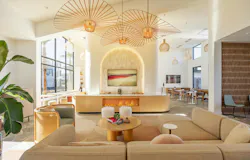
These spaces work best when they feel comfortable, welcoming, and easy to use. Furniture arrangements that support conversation, a variety of seating options, access to natural light, and clear visual connections throughout a space can all influence how people engage with one another. Sightlines, acoustics, circulation paths, and places to pause also shape whether people feel invited to stay awhile or encouraged to keep moving. Small design decisions can affect whether someone lingers, participates, or simply passes through.
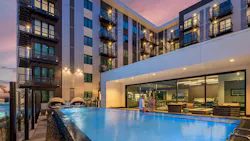
In mixed-use settings, these decisions can also help create natural overlap between residents and people who regularly visit the neighborhood. A ground-floor café, courtyard, or flexible shared lounge can become part of a place’s daily rhythm, supporting continuous in-person encounters.
Give People More Than One Way to Engage
Creating that kind of low-pressure overlap becomes particularly important in multigenerational communities, where residents have different lifestyles, schedules, and expectations. Senior living communities face similar challenges as they seek to offer environments that support both social engagement and individual comfort. Designing for these diverse populations requires flexibility. Acoustic comfort, varied seating, and opportunities to observe before joining can make shared spaces more welcoming for residents with different needs and comfort levels.
Rather than creating spaces intended for a single activity or user group, we can develop environments that accommodate a range of experiences and give people choices about how they engage. A community room might support a morning coffee gathering, an afternoon study session, and an evening resident event. Lounge areas may provide opportunities for both quiet conversation and larger social interactions. A well-designed shared space should make it easy to join in, observe, or step away, without requiring people to participate in a formal program or event.
Keep Technology in a Supporting Role
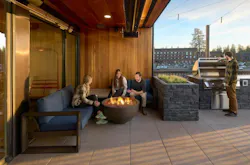
Designing for low-tech connection does not mean rejecting technology altogether. The challenge is finding balance. In many cases, the most effective spaces are those where technology supports the experience without becoming the focal point. Residents may use apps to reserve a community room or learn about upcoming events, but the value of those spaces ultimately comes from the interactions that occur when people arrive.
Designers are also recognizing the importance of creating environments that encourage participation rather than passive consumption. Community tables, shared activity spaces, maker rooms, libraries, game areas, and flexible gathering spaces all provide opportunities for people to engage with one another in meaningful ways. These environments support the kinds of spontaneous interactions that are difficult to replicate through a screen.
Three Questions for Designing Connection
When I’m making design decisions, I find myself asking three questions:
1. Where do people naturally cross paths, and how can we make those moments work harder? Rather than adding another amenity just to tick a box, I look at everyday routines—getting coffee, checking the mail, picking up a package, going to the gym—and how people move between them. Those routes can inform where we place shared spaces, seating, and other points of activity so that connection becomes part of the natural rhythm of the building.
2. What are the moments along that journey that people will remember? A successful space isn’t only about getting someone from A to B. I think about what they see, experience, or encounter along the way: a framed view, a change in light or material, a place to sit, or a small moment of surprise. These moments of impact can give people a reason to slow down and make the experience of moving through the building feel more meaningful.
3. What can the physical environment accomplish and how can it influence the experience? Technology can make a space more convenient, but I first ask whether the design itself can encourage people to engage—with the space, with their surroundings, or with each other. Good circulation, visibility, comfortable places to linger, and intuitive functionality can often create connection without requiring another screen, app, or digital interaction.
The need for connection is not a new concept. What may be changing is the value people place on finding it in their everyday environments. As digital tools continue to shape how we live and communicate, thoughtfully designed interior spaces can help ensure there are still opportunities for the face-to-face interactions that build stronger communities.
Sometimes, the most meaningful connection doesn’t need an app. It just needs a place to happen.
About the Author
Kelsey Loverro
Kelsey Loverro is a senior associate and interiors project manager at LRS Architects, where she designs multifamily and mixed-use environments that foster community, well-being, and a strong sense of place. She can be reached at [email protected].